Posts

post-thumb

[Sky]

Bise Wind: Cold Northeasterly over Switzerland and the Jura

In western Switzerland and parts of eastern France, many people are familiar with a chilly, persistent wind called the Bise. This cold, dry northeasterly often blows along the north side of the Alps and the Jura, making lakeside cities feel much colder than the thermometer suggests. Where Does the Bise Blow?

Read more...
post-thumb

[Sky]

Tramontana Wind: Cold Northerlies over the Western Mediterranean

Around the western Mediterranean, from northeastern Spain to southern France and parts of Italy, people know a cold, dry north wind called the Tramontana. It can clear the sky in hours, make temperatures feel much lower, and whip up rough seas. Where Does the Tramontana Blow? The Tramontana affects several regions, including:

Read more...
post-thumb

[Sky]

Types of Solar Eclipses

Solar eclipses occur when the Moon passes between the Earth and the Sun, casting a shadow on Earth. However, not all solar eclipses are the same. There are four main types of solar eclipses, each with unique characteristics: 1. Total Solar Eclipse A total solar eclipse happens when the Moon completely covers the Sun, as viewed from Earth.

Read more...
post-thumb

[Sky]

Who Names Storms in Europe?

Europe does not have a single continent-wide authority for naming storms. Names are assigned by national meteorological services that coordinate in regional groups. When a storm is expected to cause significant impacts, the first service to issue a high-level warning uses the next name from its list and neighboring services adopt it.

Read more...
post-thumb

[Sky]

Solar Eclipses in 2026 and 2027

The years 2026 and 2027 will bring several spectacular solar eclipses visible from different parts of the world. Here’s what to expect: 2026 Solar Eclipses February 17, 2026 - Annular Solar Eclipse An annular solar eclipse will occur on February 17, 2026. During an annular eclipse, the Moon is too far from Earth to completely cover the Sun, creating a “ring of fire” effect.

Read more...
post-thumb

[Earth]

Have You Seen These Underwater Bubbles?

Icy underwater bubbles are one of the most curious natural phenomena. In the Canadian province of Alberta, there is Lake Abraham, which is known among scientists and nature lovers because of an unusual phenomenon: a large number of ice bubbles that have frozen under water. These fantastic circles are actually made up of methane bubbles.

Read more...
post-thumb

[Weather]

How "Feels Like" Temperature Is Calculated

“Feels like” temperature (also called apparent temperature) is an attempt to translate weather conditions into how warm or cold they tends to feel on exposed skin. It is not a direct measurement from a thermometer: it’s a calculated value that usually combines air temperature with humidity and/or wind. In most forecasts and weather apps, “feels like” is computed using one of two different indices depending on conditions:

Read more...
post-thumb

[Climate Science]

Official Meteorological Services in Europe

Below is a practical list of official national meteorological (and often hydrometeorological) services for countries across Europe. Names and URLs are based on information published by the services themselves and international bodies such as the WMO; always check the linked sites for the most current details and any additional regional services.

Read more...
post-thumb

[Sky]

Quadrantid Meteor Shower Guide

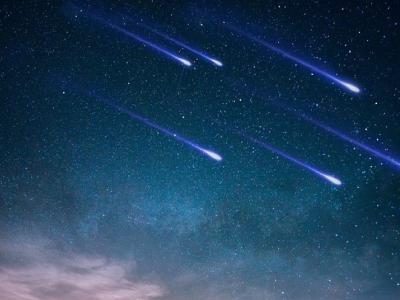
The first big celestial event of the year arrives quickly: the Quadrantid meteor shower peaks during the night of 3–4 January. This shower is famous for producing brief outbursts of more than 100 fast, blue meteors per hour, but only for a few hours when Earth slices through the densest part of the debris stream.

Read more...