Southern Taurids Fireball Watch
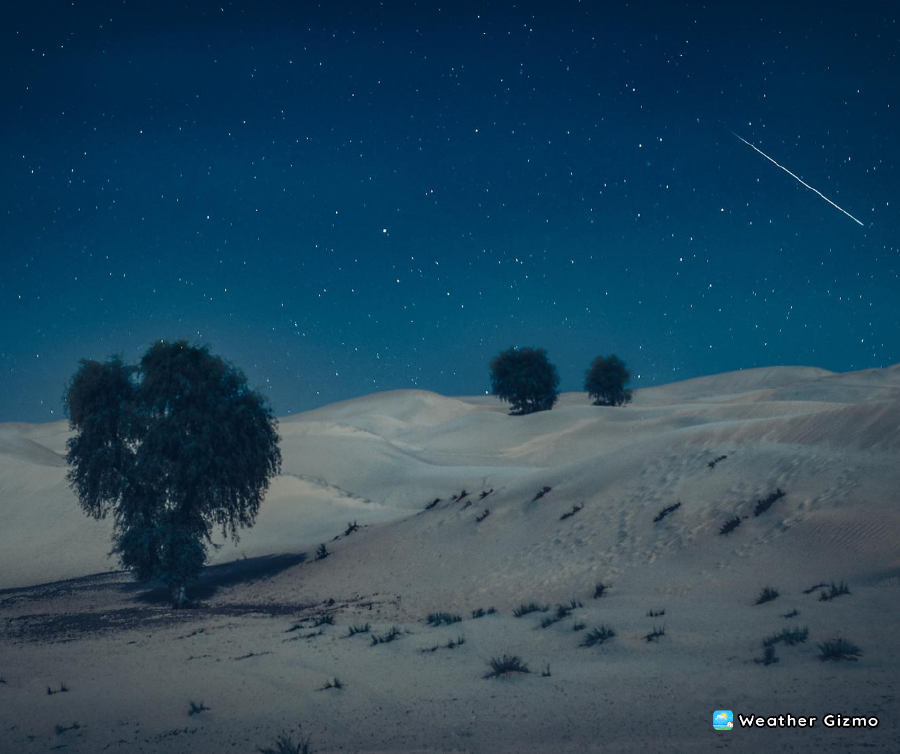
The Southern Taurids keep autumn observers entertained with slow, persistent meteors from late September through mid-November. The shower usually peaks around 5 November with a modest zenithal hourly rate near 10, but the reward is quality over quantity: glowing fireballs flare often as large cometary grains burn up above Earth.
This stream comes from Comet 2P/Encke, and its radiant drifts through the constellation Taurus, rising by mid-evening for most locations on Earth. Because the meteors move at only 27 km/s, each streak lingers longer than the darting Perseids or Leonids, giving plenty of time to trace their path back toward the V-shaped Hyades cluster.
Whenever the Moon is a waning crescent, it does not rise until the predawn hours—perfect for stretching out under dark skies soon after 22:00 local time and staying alert through midnight when Taurus rides high. Southern Taurids favor mid-northern latitudes but are visible across both hemispheres.
Bring a reclining chair, glance 40–60° away from the radiant for the longest trails, and keep an eye out for companion activity from the Northern Taurids later in the month. Even a handful of Taurid fireballs can turn a quiet November night into a memorable observing session.
Even a handful of Taurid fireballs can turn a quiet November night into a memorable observing session.
This post is also available in: Spanish, Russian, Ukranian, Belarusian, Portuguese, French, German, Italian, Turkish.