Quadrantid Meteor Shower Guide
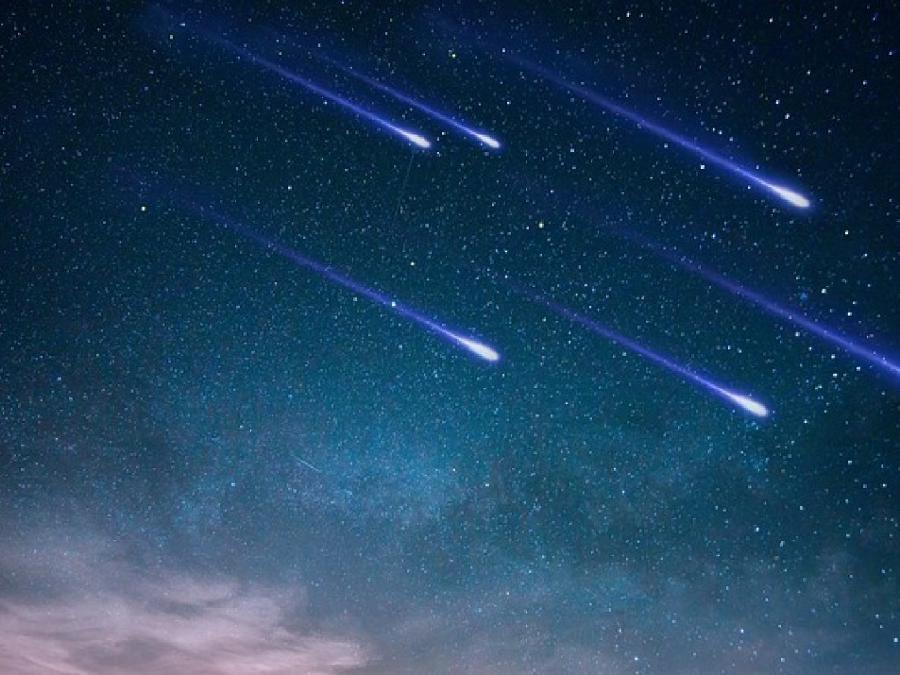
The first big celestial event of the year arrives quickly: the Quadrantid meteor shower peaks during the night of 3–4 January. This shower is famous for producing brief outbursts of more than 100 fast, blue meteors per hour, but only for a few hours when Earth slices through the densest part of the debris stream.
The broad activity window runs from 27 December to 10 January, yet the real action is usually forecast near 9:00 UTC on 4 January. Observers in the Northern Hemisphere—especially those above 40°N latitude—get the best radiant elevation in the pre-dawn hours. Plan to head outside around 02:00 local time when the radiant near Boötes climbs higher and the waning last-quarter Moon begins to set, darkening the sky.
Quadrantids originate from debris left by the extinct comet/asteroid 2003 EH1. The particles hit our atmosphere at roughly 41 km/s, producing bright, sometimes color-tinted streaks and the occasional fireball. Because the stream is narrow, missing the peak by a few hours can cut the meteor rate drastically, so setting alarms is worth it.
Find a spot with an unobstructed northern horizon, give your eyes 20 minutes to adjust, dress for sub-freezing temperatures, and track the radiant’s slow rise near the handle of the Big Dipper. Even if clouds or bright moonlight intrude, the Quadrantids reward patient observers with some of the sharpest meteors of the year.
Even if clouds or bright moonlight intrude, the Quadrantids reward patient observers with some of the sharpest meteors of the year.
This post is also available in: Spanish, Russian, Ukranian, Belarusian, Portuguese, French, German, Italian, Turkish.