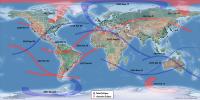
Levante Wind: Moist Easterlies through the Strait of Gibraltar

At the Strait of Gibraltar, where the Atlantic Ocean meets the Mediterranean Sea, a special regional wind often makes its presence felt: the Levante. This moist, sometimes persistent easterly can bring cloud, drizzle and rough seas to the gateway between Europe and Africa.
Where Does the Levante Blow?
The Levante mainly affects:
- The southern coast of Spain, including Gibraltar and the Costa de la Luz
- Parts of northern Morocco and nearby coastal areas
- The narrow Strait of Gibraltar itself
In this region, complex terrain on both sides of the strait helps funnel the wind through a natural “gap” between the Atlantic and the Mediterranean.
When Is the Levante Most Common?
The Levante can blow in many months of the year, but it is particularly noted in spring, summer and early autumn. Events can last:
- From a day or two, to
- A week or more in stubborn patterns
How Does the Levante Form?
Typical Levante situations involve:
- Higher pressure over the central or western Mediterranean
- Lower pressure over the eastern Atlantic or near the Azores
- Air flowing from east to west through the Strait of Gibraltar, from the Mediterranean toward the Atlantic
As this air is forced through the narrow strait, it can accelerate, becoming a strong easterly wind.
Weather and Sea Conditions
The Levante often brings:
- Low cloud, mist or drizzle, especially on the eastern side of the Rock of Gibraltar
- Humid, sometimes uncomfortable air, even when temperatures are not extremely high
- Choppy seas and strong currents in the strait, affecting shipping and ferries
On the Atlantic side, skies can sometimes be clearer, while the eastern (Mediterranean) side remains cloudier – a contrast well known to local residents.
Life with the Levante
For sailors, port authorities and local communities, the Levante is an important part of planning daily activities. It can slow or disrupt sea traffic, but it also helps drive water exchange between the Mediterranean and the Atlantic, playing a quiet role in the region’s ocean and climate system.
It can slow or disrupt sea traffic, but it also helps drive water exchange between the Mediterranean and the Atlantic, playing a quiet role in the region’s ocean and climate system.
This post is also available in: Spanish, Russian, Ukranian, Belarusian, Portuguese, French, German, Italian, Turkish.