Khamsin Wind: Hot, Dusty Gusts over Egypt and the Eastern Mediterranean
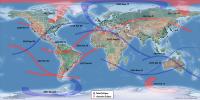
In Egypt and parts of the eastern Mediterranean, a hot, dusty wind known as the Khamsin (or Hamsin) can turn the sky yellowish and send temperatures soaring. This regional wind is part of the family of hot desert winds that also includes the Sirocco and other Saharan outflows.
Where Does the Khamsin Blow?
The Khamsin most notably affects:
- Egypt, including Cairo and the Nile valley
- Parts of Libya and Sudan
- Occasionally regions further east, such as Israel, Jordan and the Levant
It carries hot, dry air and dust from the Sahara toward the Mediterranean and Middle East.
When Is the Khamsin Most Common?
Khamsin events are most frequent in spring, particularly:
- From March to May, though they can occur a bit earlier or later
- Often ahead of or along with passing low‑pressure systems moving eastward across North Africa
How Does the Khamsin Form?
The Khamsin is typically associated with:
- A low‑pressure system moving along the North African coast or across the Sahara
- High pressure to the east or northeast
- Air flowing from the south or southwest, dragging hot desert air toward the Nile valley and the Mediterranean
As this air travels, it picks up dust and sand, reducing visibility and giving the sky a hazy or yellowish appearance.
What Are the Effects of the Khamsin?
During a Khamsin event, people may experience:
- Sudden temperature spikes, with daytime highs jumping well above average
- Very low humidity, which can feel harsh and dehydrating
- Dusty air that irritates eyes and respiratory systems
- Reduced visibility on roads and at airports
The combination of heat, dryness and dust can also increase fire danger in dry areas with vegetation.
For local communities, the Khamsin is a well‑known seasonal visitor – sometimes dreaded for its harshness, but also a familiar sign of the changing seasons in North Africa and the eastern Mediterranean.
For local communities, the Khamsin is a well‑known seasonal visitor – sometimes dreaded for its harshness, but also a familiar sign of the changing seasons in North Africa and the eastern Mediterranean.
This post is also available in: Spanish, Russian, Ukranian, Belarusian, Portuguese, French, German, Italian, Turkish.