Harmattan Wind: Dry and Dusty from the Sahara
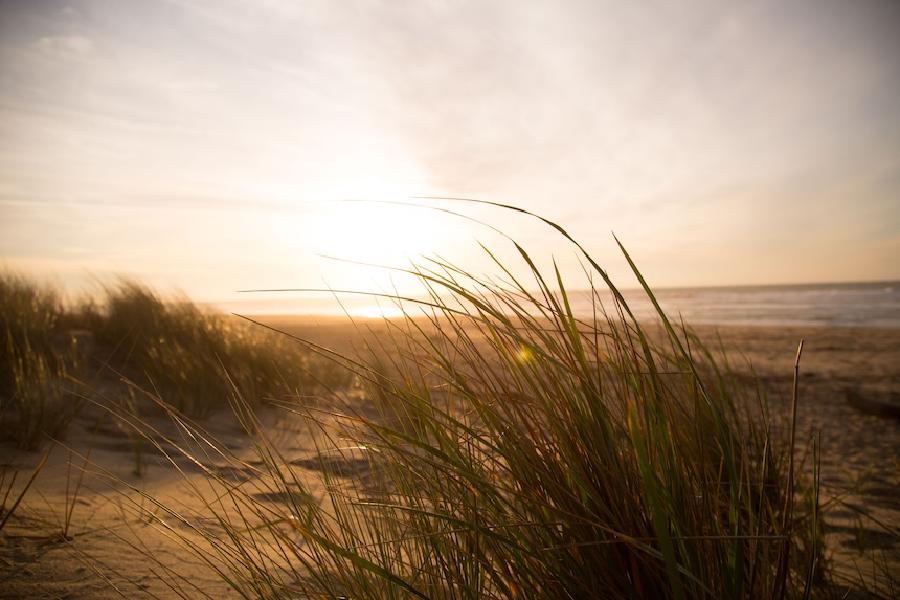
Across West Africa, millions of people know the arrival of a special seasonal wind: the Harmattan. This dry, dusty wind blows from the Sahara Desert toward the Atlantic Ocean, shaping the weather, the sky and daily life during the cool, dry season.
When and Where Does the Harmattan Blow?
The Harmattan is most common from late November to March, especially in:
- The Sahel region (for example, Niger, Mali, Chad)
- Coastal countries like Senegal, Ghana, Nigeria, Benin and Togo
During this time, northeast trade winds carry air from the Sahara over West Africa toward the Gulf of Guinea.
What Does the Harmattan Feel Like?
The Harmattan is known for three main features:
- Dryness – The air becomes very dry, with low humidity. Skin and lips can feel chapped, and plants and soil lose moisture quickly.
- Dust and sand – Fine mineral dust from the Sahara is lifted into the air and carried over long distances. This dust can:
- Reduce visibility (sometimes to just a few hundred metres)
- Give the sky a pale, milky or hazy appearance
- Settle on buildings, cars and indoor surfaces
- Cooler nights, warm days – The dry air allows heat to escape quickly at night, so mornings can feel cool or chilly, while afternoons can still be warm or hot.
In strong Harmattan episodes, the sun can appear as a faint orange disc, and flights or road travel may be disrupted by poor visibility.
Why Does the Harmattan Happen?
The Harmattan is part of the seasonal shift of the Intertropical Convergence Zone (ITCZ):
- In northern winter, the ITCZ moves southward toward the equator.
- High pressure builds over the Sahara and inland areas.
- This pattern strengthens the northeasterly trade winds, which blow from the continent toward the ocean.
As this air travels, it picks up dust and sand from the desert surface and carries it across West Africa.
Impacts of the Harmattan
The Harmattan has both advantages and challenges:
Benefits:
- Brings a dry season that can reduce mosquito populations and some crop diseases
- Cooler nights can be more comfortable after hot wet-season months
Challenges:
- Air quality can become poor due to high dust levels, affecting people with asthma or other respiratory issues
- Transport and aviation may be disrupted by low visibility
- Dry conditions can stress crops and water supplies if the dry season is long
Despite the difficulties, the Harmattan is a familiar and expected part of the annual climate rhythm in West Africa.
Harmattan Dust Traveling the World
Sahara dust carried by the Harmattan does not always stop at the African coast. Under the right conditions, it can:
- Cross the Atlantic Ocean
- Reach the Caribbean, South America and even parts of Europe
This dust can fertilize oceans and forests with minerals like iron, but it can also reduce air quality far from its source.
The next time you see pictures of a hazy West African city under a pale sky, it might be the Harmattan at work – a powerful regional wind that links the Sahara, West Africa and even distant parts of the globe through dust and air.
The next time you see pictures of a hazy West African city under a pale sky, it might be the Harmattan at work – a powerful regional wind that links the Sahara, West Africa and even distant parts of the globe through dust and air.
This post is also available in: Spanish, Russian, Ukranian, Belarusian, Portuguese, French, German, Italian, Turkish.