timeless

post-thumb

[]

The Cordonazo: Mexico's Mighty Wind

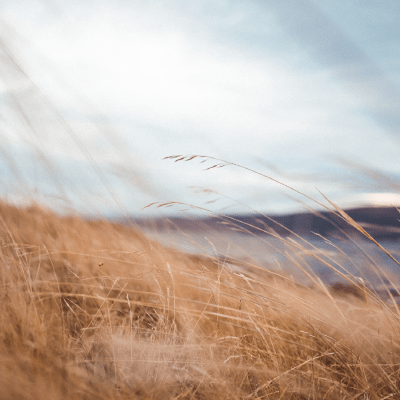
On Mexico’s west coast, a powerful wind called the Cordonazo, or el cordonazo de San Francisco (the Lash of St Francis), commands attention. This southerly hurricane wind brings challenges and uncertainty to the region. It typically occurs in late summer and early autumn when warm, moist air meets cooler ocean temperatures, forming tropical cyclones or hurricanes.

Read more...
post-thumb

[]

Llevantades: Catalonia's Moist Wind

In the northeastern region of Catalonia, Spain, a wind known as the Llevantades holds sway. This wind carries with it a touch of moisture. The Llevantades is most likely to occur during the transitional seasons of spring and autumn. It arises when a low-pressure system develops over the Mediterranean Sea, drawing in moist air from the sea.

Read more...
post-thumb

[]

Patchy Snow Possible

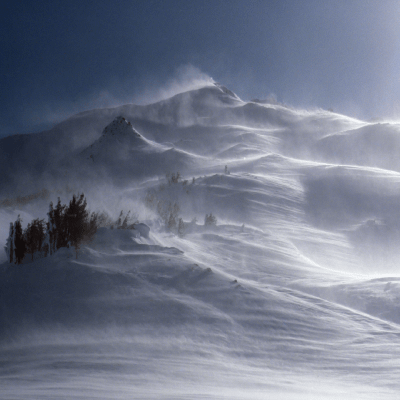
Patchy snow is like nature being indecisive, giving us a teaser of what a full snowy day might look like. It’s sporadic, with some areas getting a light dusting while others remain untouched. The snowflakes come down intermittently, creating a patchwork of white in some places. It’s the kind of snow that makes you look up in anticipation, hoping for more, yet enjoying the fleeting beauty of the moment.

Read more...
post-thumb

[Sky]

Meet Nacreous Clouds

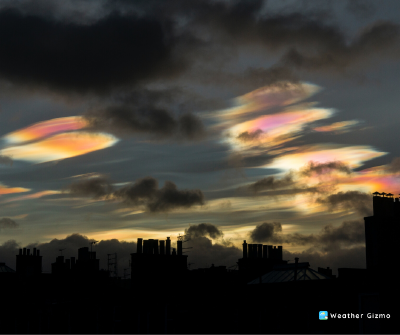
Nacreous clouds are a real miracle of the northern latitudes. Nacreous clouds are one of the most beautiful, unusual, and rare natural phenomena. They appear at an altitude of 15 to 27 km at abnormally low temperatures. The best time for observation is at dusk, from the moment the sun sets visibly beyond the horizon line to the moment its center plunge 6 ° below the horizon line.

Read more...
post-thumb

[Sky]

Have You Seen Daytime Moon? 🌕

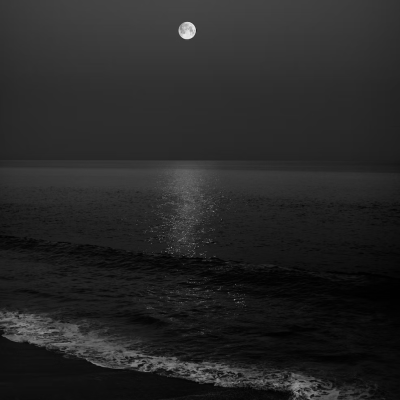
It is considered that the Moon can be observed only at night. 🌖 However, in fact, it can easily be seen in the afternoon. And by the way, this very question “why the Moon is in the sky during the day” is often asked by children who are much more observant than adults.

Read more...
post-thumb

[Earth]

Where Do Tsunamis Come From?

Tsunamis are mostly provoked by underwater earthquakes and underwater volcanic eruptions, which sharply raise or lower the seabed and, as a result, move huge masses of water. Until now, the mechanisms of the tsunami have not been thoroughly studied, and it is often difficult to detect an approaching dangerous wave since at first, it is not high enough to start sounding the alarm.

Read more...
post-thumb

[]

Fog

Fog is the world draped in mystery. It’s like waking up inside a dream, where everything is hazy, distant, and beautifully eerie. With temperatures hovering between 0 to 10°C (32 to 50°F), fog forms when cold air meets warm, creating a dense blanket of tiny water droplets suspended in the atmosphere.

Read more...
post-thumb

[]

What is Mist and What Differs It From Other Weather Conditions?

A day with mist is like stepping into a dreamy painting, where everything is soft-focused, ethereal, and slightly surreal. The world transforms, distances blur, and there’s a gentle touch of mystery in the air. It’s as if nature decided to add a soft filter, turning everyday scenes into works of art.

Read more...
post-thumb

[Sky]

Do You Know What Lenticular Clouds Are?

Lenticular clouds are one of the most beautiful natural phenomena. When you first see them in a photo, it’s hard to believe that this is a real shoot, not a photoshop. Lenticular clouds are quite rare and can be observed mainly in mountainous areas. Most often they are recorded in the United States, Kamchatka, and near Mount Fuji in Japan.

Read more...