Ursids: The Year’s Final Meteor Surprise
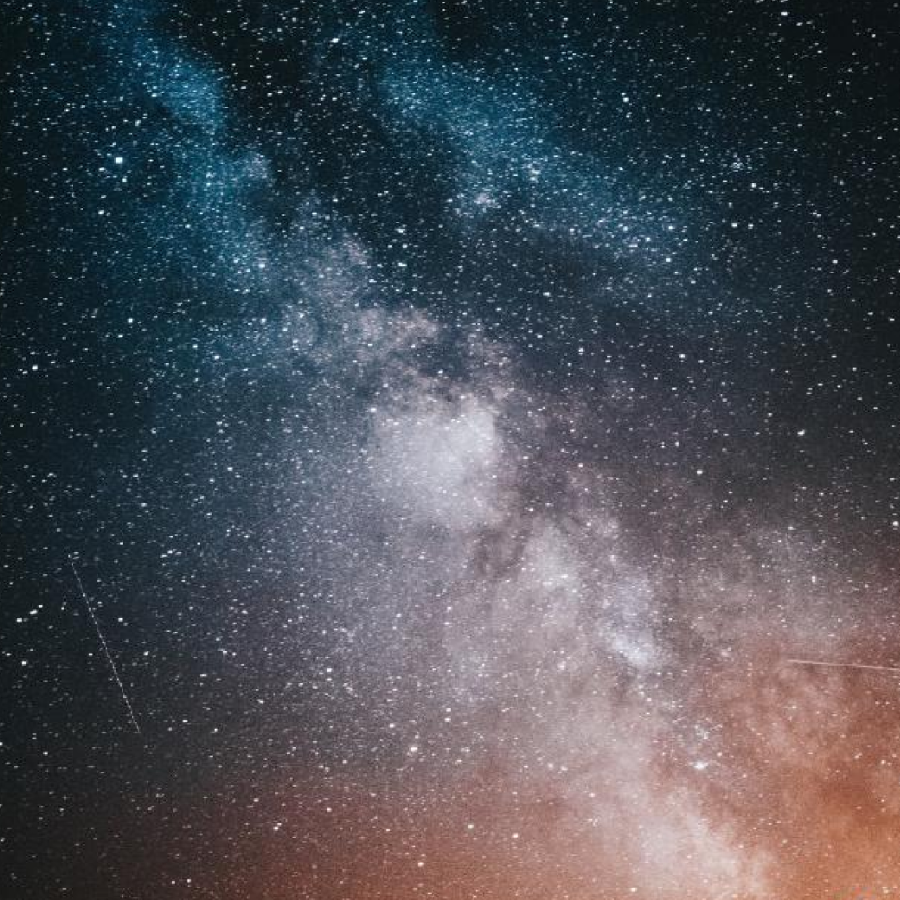
If you still crave meteors after the Geminids, keep your gear handy for the Ursids. This faithful shower peaks on the night of 22 December, just after the solstice, delivering roughly 10 meteors per hour with occasional outbursts when Earth crosses dense filaments shed by Comet 8P/Tuttle.
The radiant sits near the Little Dipper’s bowl in Ursa Minor, so it never sets for most Northern Hemisphere observers. That makes the Ursids a strictly northern treat—viewers south of 30°N will see only a handful of meteors skimming the horizon. Begin watching around local midnight when the radiant is highest and look 20–40° away for longer streaks.
When the waxing gibbous Moon sets shortly after 03:00 local time, the darkest hours arrive just before dawn on 23 December. Use that moonset window to maximize your meteor counts. A reclining chair, layered clothing, and a thermos of something warm turn the quiet winter session into a cozy vigil.
Even if the hourly rate stays modest, Ursid meteors are swift (33 km/s) and often deliver sharp, short-lived flashes that mark the closing chapter of the meteor calendar. Take notes on counts, sky transparency, and any fireballs—you may spot hints of a future outburst filament in the years ahead.
Take notes on counts, sky transparency, and any fireballs—you may spot hints of a future outburst filament in the years ahead.
This post is also available in: Spanish, Russian, Ukranian, Belarusian, Portuguese, French, German, Italian, Turkish.