Skip to content

Posts

post-thumb

[Sky]

The Mighty Mistral Wind: A Famous and Powerful Force

Have you ever heard of the Mistral wind? It’s one of the most famous winds in the world and has a big impact on the weather in southern France. In this article, we’ll explore what makes the Mistral special, when it happens, and how it affects the cities in its path.

Read more...
post-thumb

[ sky]

Cierzo: The Cool Wind that Sweeps the Ebro Valley in Spain

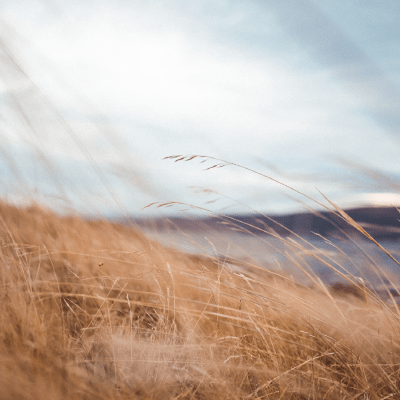
Have you ever heard of the Cierzo wind? It’s a refreshing breeze that blows across the Ebro Valley in Spain. We will explore when this wind is most likely to occur, what causes it, and which cities are affected by its presence. Seasons and Occurrence: The Cierzo wind is most common during the transitional seasons of autumn and winter.

Read more...
post-thumb

[Sky]

Northern Taurids: Slow Meteors, Big Sparks

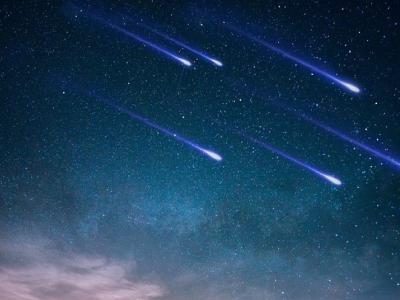
Just as the Southern branch winds down, the Northern Taurids take over the night sky. Activity extends from 13 October to 2 December, but the peak is expected around 12 November when Earth meets the densest stream of dust from Comet 2P/Encke. The hourly rate tops out near 15, yet observers treasure the shower for its slow, brilliant meteors that seem to crawl across Taurus.

Read more...
post-thumb

[Sky]

Southern Taurids Fireball Watch

The Southern Taurids keep autumn observers entertained with slow, persistent meteors from late September through mid-November. The shower usually peaks around 5 November with a modest zenithal hourly rate near 10, but the reward is quality over quantity: glowing fireballs flare often as large cometary grains burn up above Earth.

Read more...
post-thumb

[Sky]

What is the Real Form of the Rainbow?

Did you know that a full rainbow is actually a complete circle? The thing is that it’s not an arc we are used to see but a complete circle partly hidden from us. And only in certain conditions, like being on an airplane or standing on a mountain one can see an amazing view of an entire circular rainbow.

Read more...
post-thumb

[ Sky]

What Makes Light Drizzle Light?

Light drizzle is a type of precipitation with very small raindrops. The drops are around 0.2 to 0.5 millimeters in diameter, making them barely visible. Light drizzle often occurs in cooler temperatures between 10 to 18 degrees Celsius. The air is usually calm with little wind. Light drizzle forms when low, gray clouds called stratus clouds cover the sky.

Read more...
post-thumb

[]

Solano: Warm Wind in Southern Spain

In the southern sector of Spain, a wind known as the Solano holds a special place in the hearts of the locals. Solano is a south to south-easterly wind that brings warmth, occurring predominantly in the summer and early autumn seasons. Solano is primarily caused by the interaction between high-pressure systems in the Azores and low-pressure systems in the Mediterranean.

Read more...