Northern Taurids: Slow Meteors, Big Sparks
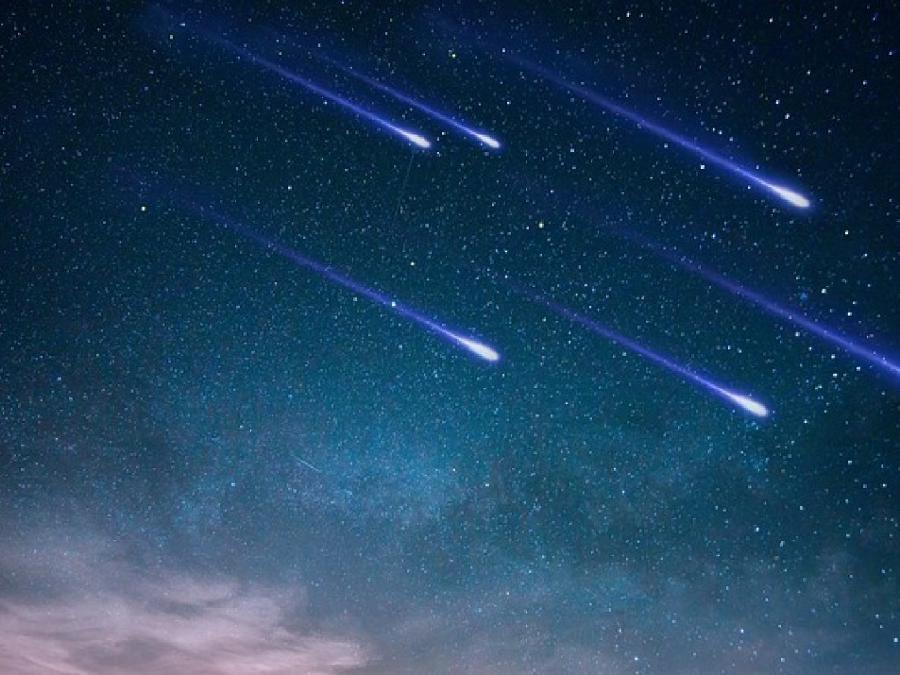
Just as the Southern branch winds down, the Northern Taurids take over the night sky. Activity extends from 13 October to 2 December, but the peak is expected around 12 November when Earth meets the densest stream of dust from Comet 2P/Encke. The hourly rate tops out near 15, yet observers treasure the shower for its slow, brilliant meteors that seem to crawl across Taurus.
When the Moon is near first quarter, it sets before midnight by peak night, so darker skies greet late-night observers. Step outside around 23:00 local time when the radiant near the Pleiades rides high. The lower velocity (29 km/s) extends each streak, giving you ample time to trace the orange embers back toward the bull’s horns.
Northern Taurids favor the Northern Hemisphere but remain visible from equatorial sites, especially if you can look 45–60° away from the radiant where the longest trails appear. Lie back, let your eyes adjust for 20 minutes, and keep a thermos handy—occasional fireballs can flare to negative magnitudes, casting shadows and drawing gasps from even seasoned observers.
Because the Taurid streams overlap, you may still see stragglers from the Southern branch plus early Leonids later in the month. Logging the time and brightness of each meteor will help you compare the two Taurid peaks and spot any hints of an enhanced fireball season.
Logging the time and brightness of each meteor will help you compare the two Taurid peaks and spot any hints of an enhanced fireball season.
This post is also available in: Spanish, Russian, Ukranian, Belarusian, Portuguese, French, German, Italian, Turkish.