Geminids: December’s Meteor Main Event
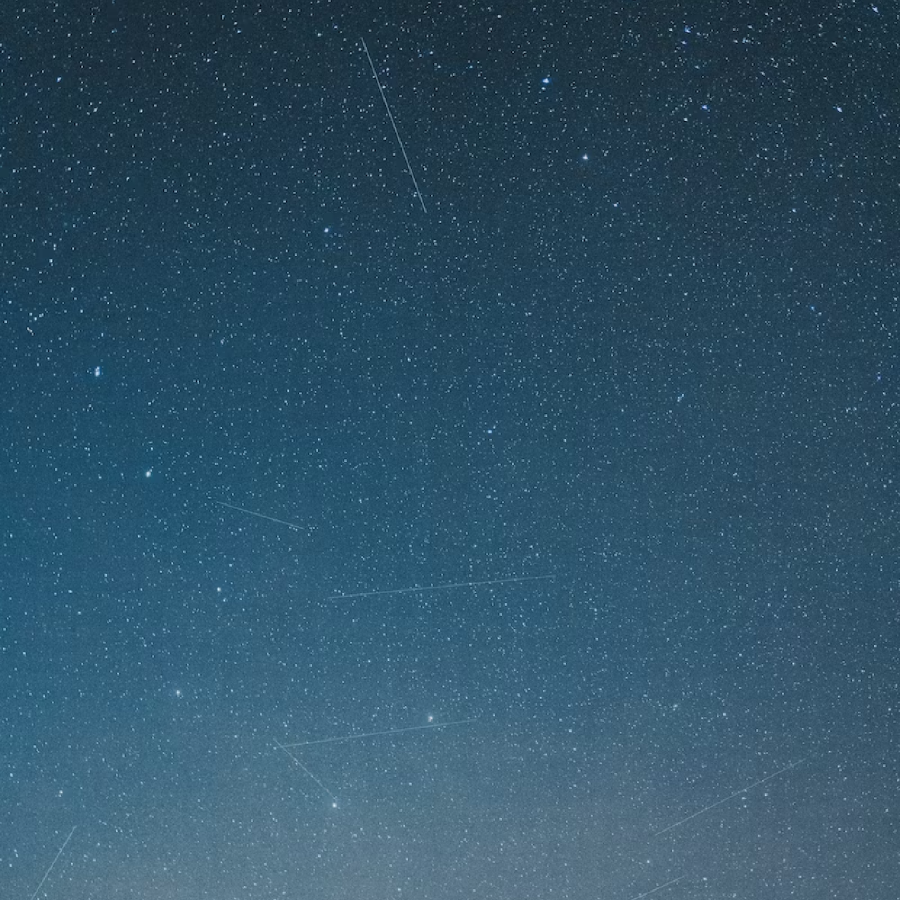
Clear a spot on your calendar for the Geminid meteor shower, widely regarded as the most reliable display of the year. Activity stretches from 4 to 17 December, and the peak is predicted for the night of 13–14 December with zenithal hourly rates near 120 meteors per hour under dark skies.
Geminids originate from debris shed by the rocky object 3200 Phaethon, making their grains denser than typical icy comet dust. As a result they pierce the atmosphere at a brisk 35 km/s and often fragment into multicolored sparks—greens, yellows, and reds traceable back toward the radiant near the bright star Castor in Gemini.
The near-full Moon often brightens the sky in mid-December, so plan strategic sessions. Try watching when the Moon is still below the horizon in the early evening, then again after moonset near dawn. Shielding yourself from direct moonlight by hiding behind trees, hills, or a building edge helps preserve night vision.
Set up a reclining chair, use layers and a thermos, and bring friends to expand the section of sky you can monitor. Even with moonlight, the Geminids’ high activity rate and vivid fireballs make this shower a can’t-miss finale to the observing year.
Even with moonlight, the Geminids’ high activity rate and vivid fireballs make this shower a can’t-miss finale to the observing year.
This post is also available in: Spanish, Russian, Ukranian, Belarusian, Portuguese, French, German, Italian, Turkish.