Sky

post-thumb

[Sky]

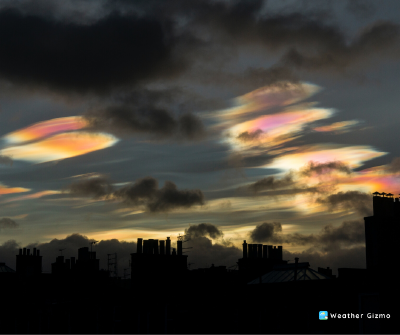
Meet Nacreous Clouds

Nacreous clouds are a real miracle of the northern latitudes. Nacreous clouds are one of the most beautiful, unusual, and rare natural phenomena. They appear at an altitude of 15 to 27 km at abnormally low temperatures. The best time for observation is at dusk, from the moment the sun sets visibly beyond the horizon line to the moment its center plunge 6 ° below the horizon line.

Read more...
post-thumb

[Sky]

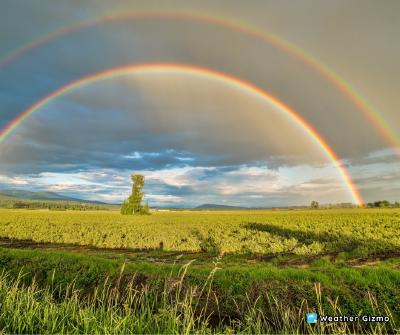
Have You Ever Seen a Double Rainbow?

Double rainbow is an incredibly beautiful natural phenomenon, but not very frequent, unfortunately. It is caused by the double reflection of sunlight in the raindrops. It is curious that in the second rainbow the colors go in the opposite order: from violet to red. Popular signs consider the double rainbow a very good sign, promising success, and good luck in everything.

Read more...
post-thumb

[Sky]

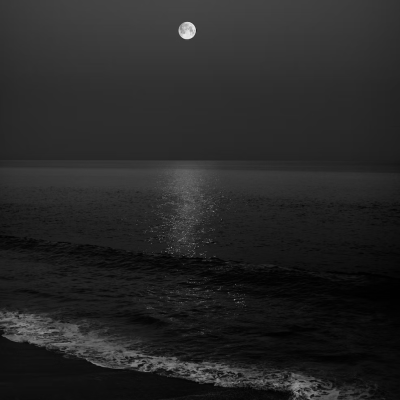
Have You Seen Daytime Moon? 🌕

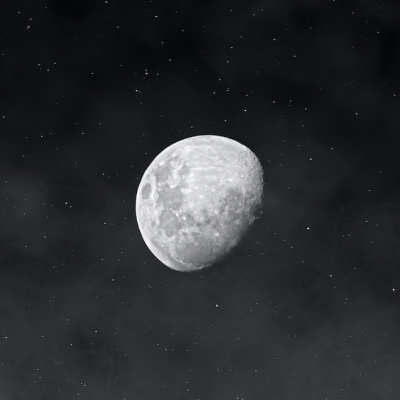
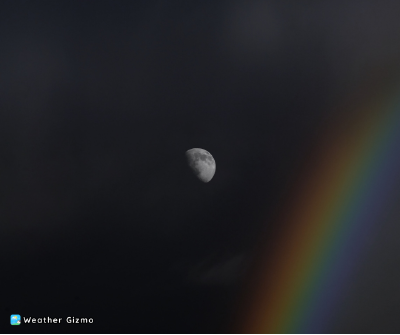
It is considered that the Moon can be observed only at night. 🌖 However, in fact, it can easily be seen in the afternoon. And by the way, this very question “why the Moon is in the sky during the day” is often asked by children who are much more observant than adults.

Read more...
post-thumb

[Sky]

What is Morning Glory?

Morning glory — what is it and where can you see it? Today we will tell you about another rare and amazing atmospheric phenomenon — unusual clouds called “Morning Glory”. These clouds appear as a long curved solitary wave and reminds of an airplane trail. These waves are located quite low above the earth, at an altitude of only 100-200 meters.

Read more...
post-thumb

[Sky]

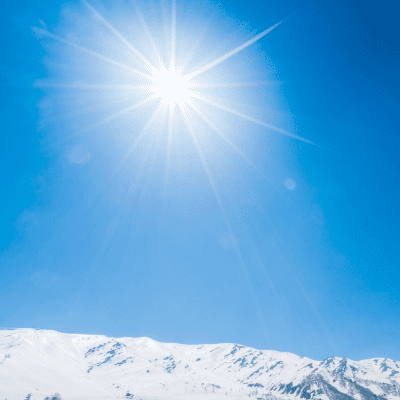
Longest Recorded Sunshine

Polar daylight record of 69 days of continuous sunshine in 2020. Ny-Ålesund is a small research community on the island of Spitsbergen in the Svalbard archipelago, located in the Arctic Circle. During summer months at this high latitude location, the sun does not set below the horizon due to the effects of polar daylight.

Read more...
post-thumb

[Sky]

Largest Full Moon in 2023

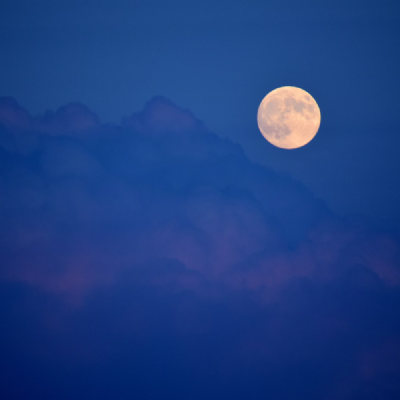
On the evening of August 31, 2023, we will have the opportunity to witness one of the most significant astronomical events - a supermoon. On this evening, the full moon will approach the Earth at its closest distance this year, offering a mesmerizing celestial spectacle. Our natural satellite will be accompanied by two great planets - Saturn and Jupiter.

Read more...
post-thumb

[SKY]

How Many Colors does Rainbow have?

How many colors does the rainbow have? It seems like everyone has known for a long time that it has seven colors. But as it turns out, it’s not all that simple. Isaac Newton was the first to identify seven colors in the rainbow: red, orange, yellow, green, blue, dark blue and purple.

Read more...
post-thumb

[Sky]

Do You Know What Lenticular Clouds Are?

Lenticular clouds are one of the most beautiful natural phenomena. When you first see them in a photo, it’s hard to believe that this is a real shoot, not a photoshop. Lenticular clouds are quite rare and can be observed mainly in mountainous areas. Most often they are recorded in the United States, Kamchatka, and near Mount Fuji in Japan.

Read more...
post-thumb

[Sky]

Penumbral Lunar Eclipse in May 2023

On Friday, May 5, 2023 the Moon will enter the Earth’s outer shadow, creating a celestial event known as a penumbral lunar eclipse. During the eclipse, observers will see the Moon darken, but it won’t disappear completely. The penumbral lunar eclipse will start at 11:15 am Eastern Time (15:15 GMT) and will be visible from any location on Earth where the Moon is above the horizon, including Antarctica, Asia, Russia, Oceania, and Eastern and Central Africa.

Read more...
post-thumb

[Sky]

Lunar Rainbow

Did you know that apart from the usual rainbow, there is also a lunar one? Lunar (or night) rainbows are really rare. The reason is an exact combination of obligatory factors that must coincide in order for a lunar rainbow to appear in the night sky. What are these factors?

Read more...